
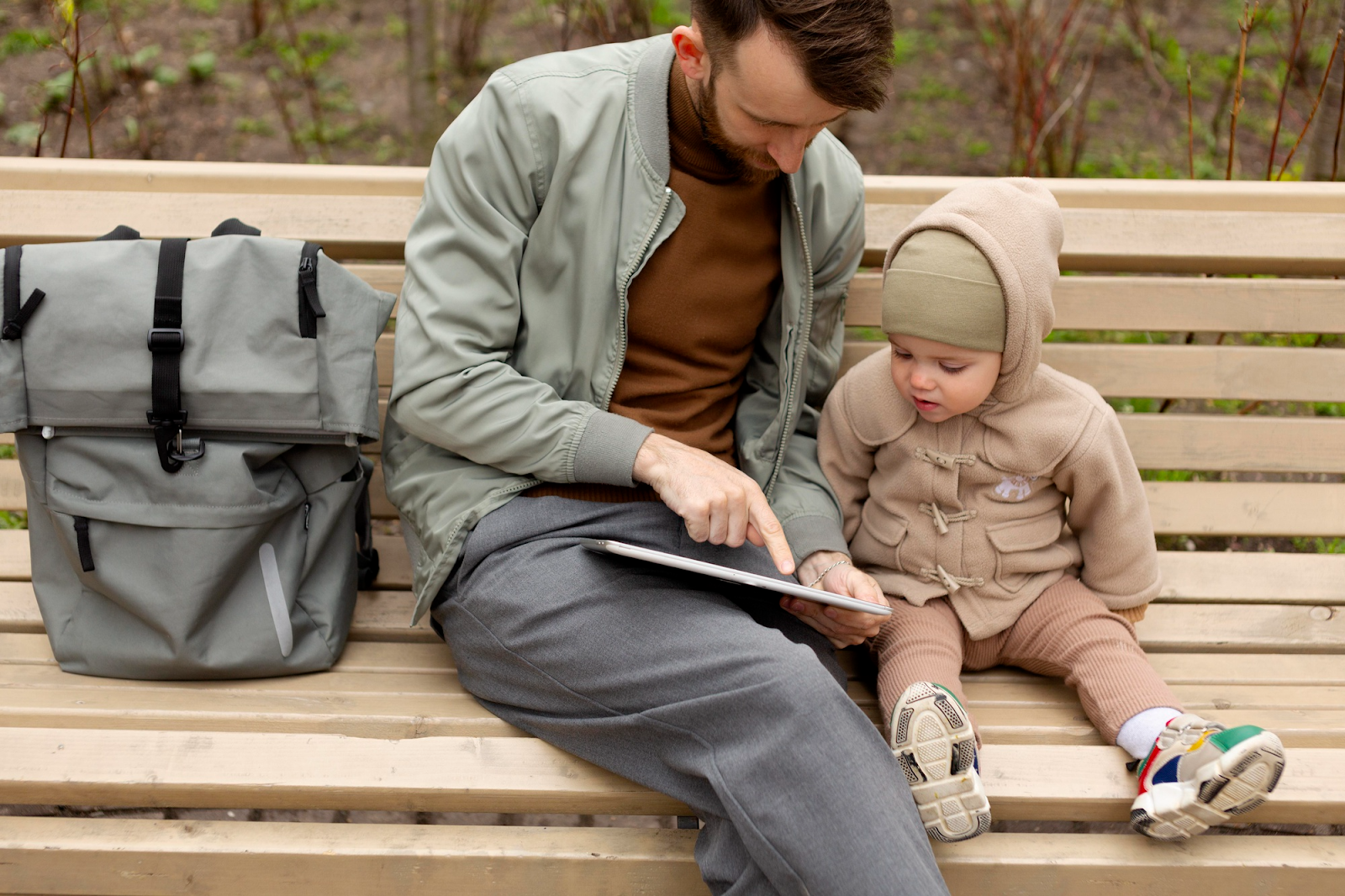
Every single parent knows that leaving home with kids can feel like a military operation. Forgetting the basics can turn a quick errand into a full-blown crisis. That’s where a ready-to-go “parent bag” comes in: a carefully packed kit that saves time, nerves, and even money. If you want to leave the house feeling calm and prepared, these are the core items your go bag should never be without.
Spare Clothes for Everyone
No matter if your child is four months or four years old, messes just happen, from spilled juice to muddy playgrounds or a bathroom accident. In these cases, a change of clothes keeps stress low for both you and your kids. For older children, a fresh t-shirt and underwear is usually enough, while little ones may need a full set, including socks. In colder months, swap in a warm layer or extra hat.
Pack of Wipes
Wipes are a true hero item for single parents on the go. They tackle sticky faces, dirty hands, table crumbs, and even minor seatbelt disasters. If you have a baby or toddler, pack a travel-size baby wipes package, while for school-age kids, you may want to keep antibacterial or sensitive-skin wipes handy.
Easy Snacks
Kids and hunger don’t mix well. To avoid unnecessary stress, include non-messy, healthier snacks such as granola bars, dried fruit, or crackers. Separate out portions in small bags for quick hand-outs, and don’t forget to pack enough for yourself, too: nobody wins if the grown-up is “hangry!”
Refillable Water Bottles
Staying hydrated is a must. But keep in mind that babies face a higher risk of dehydration because they lose more fluids through their skin, need adults to give them drinks, and are prone to illnesses that cause vomiting or diarrhea.
To keep your little ones hydrated, carry a refillable bottle for each person and top them off before every outing. For babies, bring formula, milk, or sippy cups as age-appropriate.
Pro tip: Choose leak-proof lids to guard against accidental spills inside your bag.
Mini First-Aid Kit
Bumps, scrapes, and insect bites are normal when playing outside, and a small first-aid kit can always come to the rescue. These are available in almost any pharmacy, and they often include a few bandaids, antiseptic wipes, and a small tube of sunscreen or bite cream. If your child has allergies, add extra medication or an EpiPen as needed. For infants, check that you have a thermometer and baby-safe medicines ready just in case.
Phone Charger or Power Bank
A dead phone means no emergency calls, no directions, and often no calm child. Toss in a compact power bank or at least a USB cable for your device. It’ll save headaches on longer outings and keep you connected when plans change mid-adventure.
Quiet Activities for Waiting
Doctor’s offices, traffic jams, and long lines are less stressful when you’ve got entertainment ready! Pack crayons and a little notepad, a favorite book, sticker sheets, or a small puzzle. For toddlers, a teething ring or soft toy can work wonders. Rotate these activities every week or two to keep them fresh and interesting.
Comfort Item
This can be as simple as a beloved stuffed animal, a pacifier, or a favorite blanket. These “secret weapons” ease stress for little ones when the noise, crowds, or new spaces start to feel overwhelming. For older kids, a familiar baseball cap or a phone playlist can bring a quick sense of security.
Emergency Contacts and Documents
Keep a laminated card in your bag with emergency contacts, allergy info, and your pediatrician’s number. These can come in useful in case your phone is lost or out of battery. You may also consider bringing a photocopy of your child’s insurance card or any important medical documents alongside it.
Making It Work: Pack Smart, Personalize, and Update Often
The key to a truly effective go bag is tailoring it to your family’s ages, preferences, and needs. Infants need more bottles, while tweens might want their own set of headphones. Once you finalize your essentials, keep everything in a sturdy tote or backpack that can handle daily use.
Some parents find it helpful to design bags for events with their child’s name or favorite color, so the bag is always easy to spot and less likely to be forgotten. A personalized bag also makes it easy to teach your child what to grab on the way out the door.
Refresh your bag at the start of every season. Add bug spray and hats in summer, or gloves and a chapstick in winter. For a budget-friendly organization, use zippered pouches or clear plastic bags from around the house, instead of pricey organizers.
You don’t have to buy everything at once. Build your kit slowly, keeping an eye out for sales or free samples from pediatrician visits. Some public libraries offer community parenting workshops, where you can exchange tips or items with other single parents.
Ready for Anything
Outings as a single parent don’t have to feel like an obstacle course. With your go bag stocked, organized, and easy to grab, you’ll handle life’s surprises confidently and spend more time making memories. For more practical tips on navigating solo parenting with style, check out our other family life and parenting articles on Frolo.
Follow us


