
Travelling alone with children can feel daunting before the journey has even begun. There is no second adult to watch the bags, manage a tired child or deal with an unexpected change of plan. Every decision rests with one person.
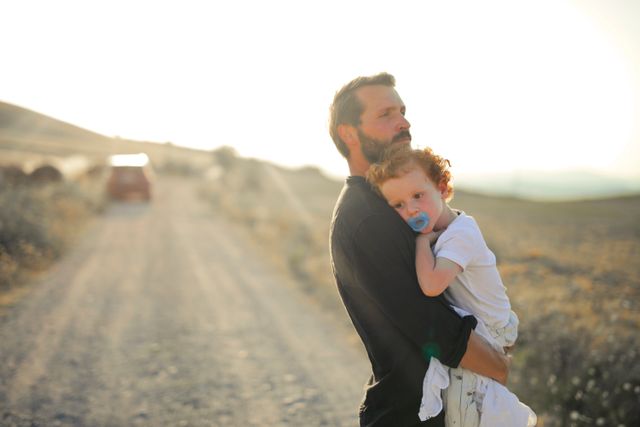
That does not mean a single-parent holiday has to be exhausting. Much of the pressure can be reduced by choosing a simpler itinerary, allowing more time than seems necessary and planning around the parent’s needs as well as the children’s.
Plan for the parent as well as the children
Family holidays are often organised around keeping children entertained, but the practical demands placed on the adult matter just as much.
A hotel at the top of a steep hill might have a wonderful view, but reaching it with luggage and a tired child could quickly become frustrating. A cheaper flight may not represent good value if it involves an overnight connection, several terminals or an airport far from the final destination.
Before booking, a parent should consider how many bags can realistically be carried while holding a child’s hand, how easily food can be found near the accommodation and whether the family can return quickly if someone becomes tired.
The best option is not always the most ambitious one. It is often the trip that leaves the parent with enough energy to enjoy being there.
Choose a trip structure that cuts down the work
Changing hotels every few days may sound adventurous, but it creates repeated packing, check-outs, transfers and unfamiliar surroundings. Staying in one base or choosing a journey where the accommodation remains the same can remove much of that work.
A single parent researching structured European routes may come across Celebrity Cruises’ Arnhem river cruises. The relevant point is not the cruise itself, but the practical format: the family can keep the same room while travelling between destinations rather than repeatedly carrying luggage through airports, railway stations and hotel receptions.
Arnhem is also a useful example of a place where a family can keep a day ashore manageable. Rather than attempting to cover the entire city, a parent could choose one central attraction and leave time for food, rest and an unplanned walk. The city’s official visitor information describes Airborne at the Bridge, an exhibition overlooking the John Frost Bridge that tells the stories of people involved in the Battle of Arnhem.
A cruise will not suit every family, but the wider principle applies to almost any holiday. Fewer transfers, fewer accommodation changes and fewer daily decisions usually mean less pressure for the only adult responsible for keeping the trip moving.
Make the journey deliberately uneventful
Travel days are not the best time to introduce complicated plans. Direct routes, generous connection times and familiar food can make the journey calmer.
Children who are old enough can carry a small backpack containing a drink, snack, activity and spare layer. Important documents, medication, chargers and one change of clothes should remain with the parent rather than being placed in checked luggage.
It can also help to explain the journey in clear stages. A younger child may cope better after hearing, “First the taxi, then security, then breakfast,” instead of being told that the family has a long and difficult day ahead.
Parents travelling internationally should check passports, visas, insurance and consent requirements well before departure. The UK government’s guidance on getting permission to take a child abroad explains that consent may be needed from everyone who has parental responsibility for the child. A letter of permission may also be requested at a UK or foreign border.
The exact rules will depend on the family’s circumstances and destination, so they should be confirmed before anything non-refundable is booked.
Protect the family’s normal rhythm
A holiday does not have to follow the routine at home exactly, but familiar patterns can help children feel secure. Regular meals, a recognisable bedtime routine and some quiet time each day may prevent small problems from becoming full meltdowns.
The NHS guidance on children’s sleep recommends a predictable winding-down period before bedtime. On holiday, this could be as simple as following the usual order of washing, reading and settling down, even when the family is sleeping somewhere unfamiliar.
A parent can also plan one main activity per day and treat everything else as optional. If the children still have energy, the family can add a park, short walk or ice cream stop. If not, returning to the accommodation is not a failed day.
Downtime matters for older children too. Teenagers may appreciate an hour with their phone, book or headphones instead of constant organised entertainment.
Prepare for difficult moments
Even a carefully planned holiday can include illness, delays, arguments or homesickness. A small backup plan reduces the need to make decisions while everyone is already stressed.
Useful preparations include identifying a nearby pharmacy, saving travel-insurance details and carrying more snacks than seem necessary. For journeys within the European Union, parents should also know that 112 is the European emergency number and can be called free of charge throughout the EU.
Children who miss their other parent may benefit from an agreed call time. This can provide reassurance without allowing calls and messages to interrupt every activity.
Most importantly, a difficult hour does not mean the entire trip has gone wrong. Children have tired, emotional or uncooperative moments at home too. On holiday, the parent is simply managing them in a less familiar place.
Set a realistic definition of success
A successful family holiday does not require visiting every attraction or creating cheerful photographs every day. For a single parent, success may mean reaching the destination safely, eating dinner without rushing and sharing a few moments that everyone remembers fondly.
Simple planning, slower travel and fewer changes create more room for those moments. The aim is not to prove that travelling solo with children is easy. It is to design a trip that does not make the parent’s job harder than it needs to be.
Follow us


